

SportsWiki Cricket News
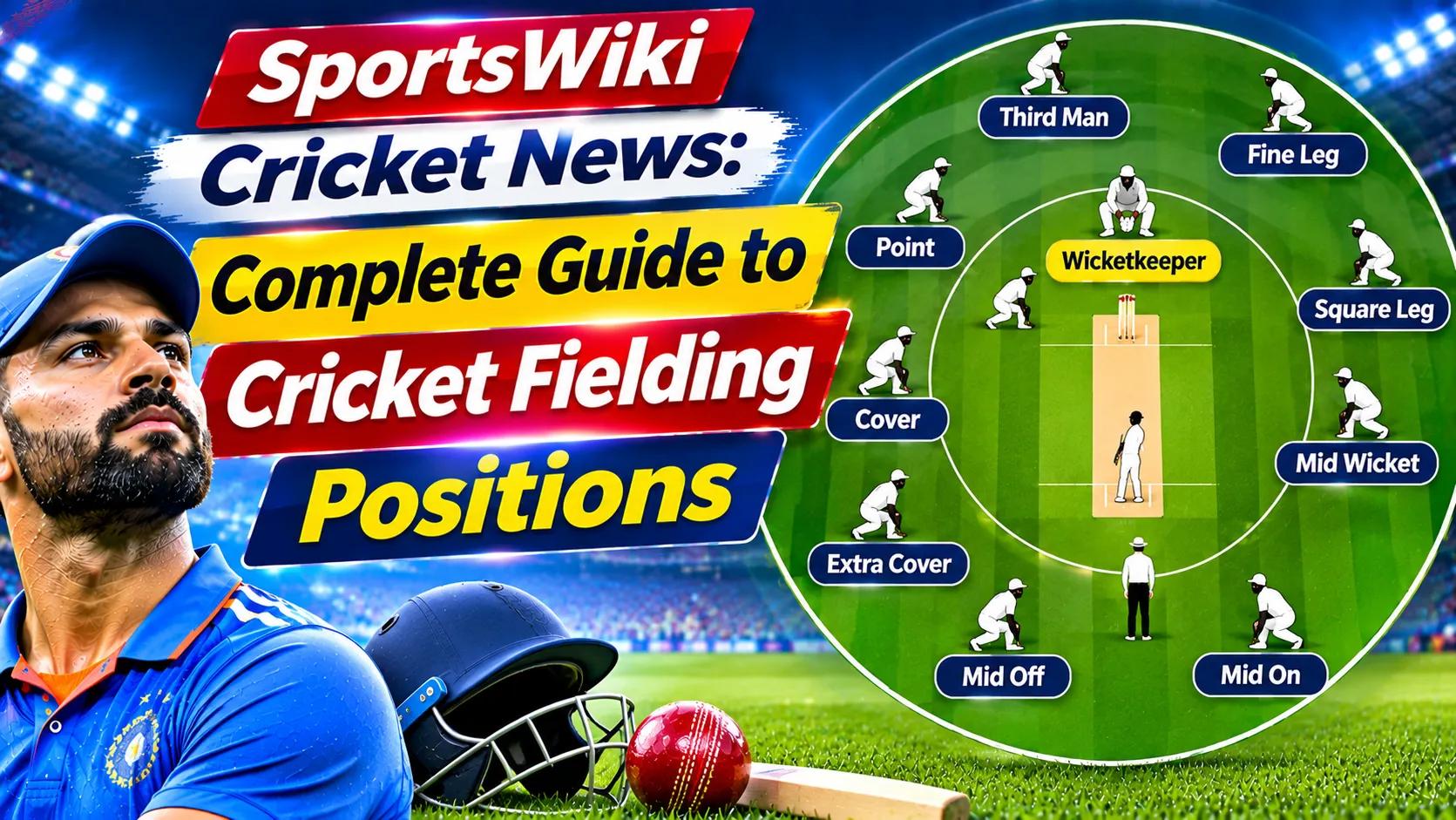
SportsWiki Cricket News: Complete Guide to Cricket Fielding Positions
Cricket is a game of strategy, teamwork and individual brilliance. While batting and bowling often receive the most attention, fielding is equally important in determining the outcome of a match. A well-planned fielding setup can restrict scoring opportunities, create pressure on batters and produce crucial wickets. Every position on the cricket field has a specific purpose, and understanding these roles helps fans appreciate the tactical side of the game.
For cricket enthusiasts who want to understand the game beyond runs and wickets, learning about fielding positions is an excellent starting point. SportsWiki aims to make sports knowledge more accessible through informative cricket content, player discussions and engaging sports coverage. Whether someone is a beginner or an experienced cricket follower, understanding field placements can make watching matches much more interesting.
Understanding Cricket Fielding Positions
A cricket team has eleven players, including the bowler and wicketkeeper. When a team is fielding, the remaining players are positioned strategically around the ground. Their placement depends on several factors, including the batter's strengths, the bowler's style, pitch conditions, match format and current game situation.
Fielding positions are generally divided into areas based on their distance and direction from the batter. These include the off side, leg side, close-in positions and boundary areas.
The captain works with the bowler to decide where fielders should stand. For example, an attacking field may include several players close to the batter to create catching opportunities. A defensive arrangement may place more fielders near the boundary to prevent fours and sixes.
Important Cricket Fielding Positions Explained
1. Wicketkeeper
The wicketkeeper stands directly behind the stumps at the striker's end. This player is responsible for collecting deliveries that pass the batter, completing stumpings and taking catches behind the wicket. Good wicketkeeping requires quick reflexes, concentration and excellent hand-eye coordination.
2. Slip
Slip fielders stand beside the wicketkeeper on the off side. Their primary responsibility is to catch edges produced by the batter. Teams commonly use first slip, second slip and third slip depending on the bowling strategy. Slip fielders are particularly important when fast bowlers or quality swing bowlers are operating.
3. Gully
Gully is positioned wider than the slip cordon on the off side. This player is expected to catch edges that travel away from the wicketkeeper and slips. Gully becomes especially useful when the ball moves off the pitch or the batter plays aggressive shots outside the off stump.
4. Point
Point is located on the off side, approximately square of the batter. This position helps stop cuts, square drives and other shots played towards the off side. A skilled point fielder can save boundaries and create run-out opportunities through quick throws.
5. Cover and Extra Cover
Cover is positioned between point and mid-off, while extra cover stands slightly closer to mid-off. These positions are important for stopping cover drives and shots played through the off side. Captains often place athletic fielders in these areas because they require quick movement and accurate throwing.
6. Mid-Off and Mid-On
Mid-off stands on the off side, relatively close to the bowler, while mid-on occupies a similar position on the leg side. Both positions help control drives played straight down the ground. They can also prevent easy singles and create catching opportunities when batters attempt lofted shots.
7. Midwicket
Midwicket is positioned on the leg side between square leg and mid-on. This fielder is responsible for stopping flicks, pulls and shots played through the leg side. The position is particularly useful against batters who prefer scoring through the on side.
8. Square Leg
Square leg is located on the leg side, approximately level with the batter. This position helps stop pulls, sweeps and other shots played towards the leg side. In limited-overs cricket, square-leg fielders also play an important role in controlling boundaries.
9. Fine Leg
Fine leg is positioned behind square on the leg side, closer to the boundary. The fielder attempts to stop edges and shots played fine off the bat. This position is particularly useful when bowlers deliver short-pitched balls or deliveries directed towards the batter's body.
10. Third Man
Third man stands behind the wicketkeeper on the off side, generally close to the boundary. The main responsibility is to stop edges and late cuts from reaching the boundary. Depending on the match situation, captains may bring this fielder closer or position them near the rope.
11. Long-On and Long-Off
Long-on and long-off are boundary positions located behind the bowler on the leg side and off side respectively. These fielders are responsible for stopping powerful straight shots and catching lofted deliveries. They are especially important in T20 and ODI cricket, where batters frequently attempt big hits.
12. Deep Midwicket and Deep Square Leg
These are important boundary positions on the leg side. Deep midwicket covers powerful shots played towards the midwicket region, while deep square leg protects the area behind square. They are commonly used against aggressive batters who favour pull shots and slogging strokes.
How Fielding Positions Change Across Cricket Formats
Fielding arrangements are not fixed throughout a match. They change according to the format and the situation.
In Test cricket, captains often use attacking field placements, especially when the bowling team is trying to take wickets. Multiple slips, a gully and close-in fielders can put pressure on batters. However, defensive placements are also important when the batting side is attempting to survive.
In One Day Internationals, fielding restrictions and scoring patterns influence captaincy decisions. Teams balance boundary protection with opportunities to take wickets. Captains must carefully manage the number of players inside and outside the fielding circle.
T20 cricket requires even more tactical flexibility. Since batters frequently target boundaries, positions such as deep midwicket, long-on, long-off and deep square leg become important. Fielders are regularly moved according to the batter's preferred scoring areas.
Why Fielding Positions Matter in Modern Cricket
Fielding is not simply about stopping the ball. It is an essential part of match planning. A good fielding arrangement can encourage batters to play risky shots, reduce easy singles and increase pressure during important overs.
Modern cricket has also highlighted the importance of athletic fielders. Players who can cover large areas, take difficult catches and produce accurate throws provide significant value to their teams. A single run-out or boundary-saving effort can change the momentum of a match.
Technology and match analysis have also influenced fielding strategies. Teams study batter-specific scoring patterns, wagon wheels and previous performances to identify areas where fielders should be positioned.
Stay Updated with SportsWiki Cricket News and Sports Coverage
Understanding cricket fielding positions is just one part of becoming a more informed sports follower. From international cricket and domestic tournaments to player performances, match strategies and memorable sporting moments, there is always something new to explore.
SportsWiki provides an opportunity for readers to discover engaging sports-related content and expand their knowledge of different sporting disciplines. Readers interested in cricket can explore informative articles covering rules, formats, records, players and important developments in the game.
For writers, publishers and sports enthusiasts, contributing to relevant sports blogs can also be a valuable way to share knowledge and reach a wider audience. A reliable sports guest posting site offers opportunities to publish original articles, discuss sporting developments and connect with readers who actively follow different games.
The wider digital publishing industry also includes igaming guest posting, where relevant platforms publish content related to online gaming, sports entertainment and the gaming industry. Choosing appropriate websites and maintaining useful, original content are important considerations when exploring guest publishing opportunities.
Conclusion
Cricket fielding positions play a major role in shaping match strategies and influencing results. From slips and gully to deep midwicket and long-off, every position has a specific responsibility. Understanding these placements helps fans recognise the tactical decisions made by captains and appreciate the contribution of fielders.
Whether you follow Test matches, ODIs or T20 leagues, knowing the different fielding positions makes every delivery more interesting. Explore SportsWiki for more cricket knowledge, sports articles and informative coverage, and stay connected with the strategies, players and moments that make sports exciting.
Check out most popular blogs
https://sportswiki.in/the-biggest-british-tennis-rivalries/
https://sportswiki.in/pullela-gopichands-coaching-legacy-explained/